








By Sigma Politics
India witnessed a striking contrast this week.
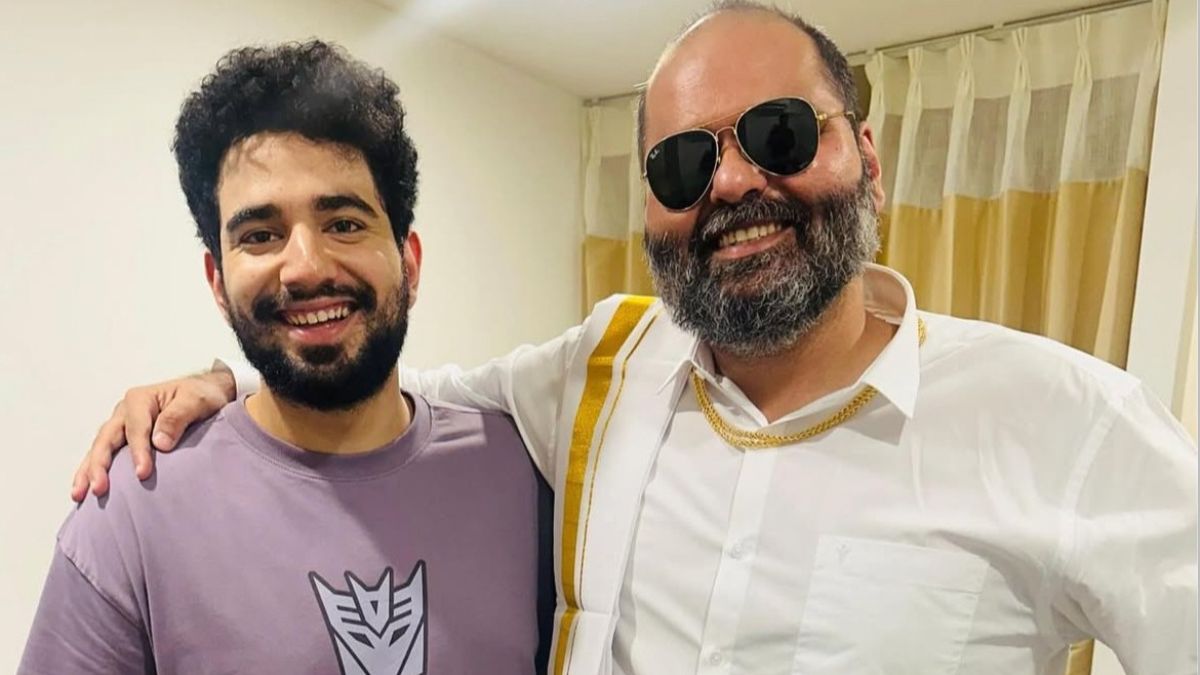
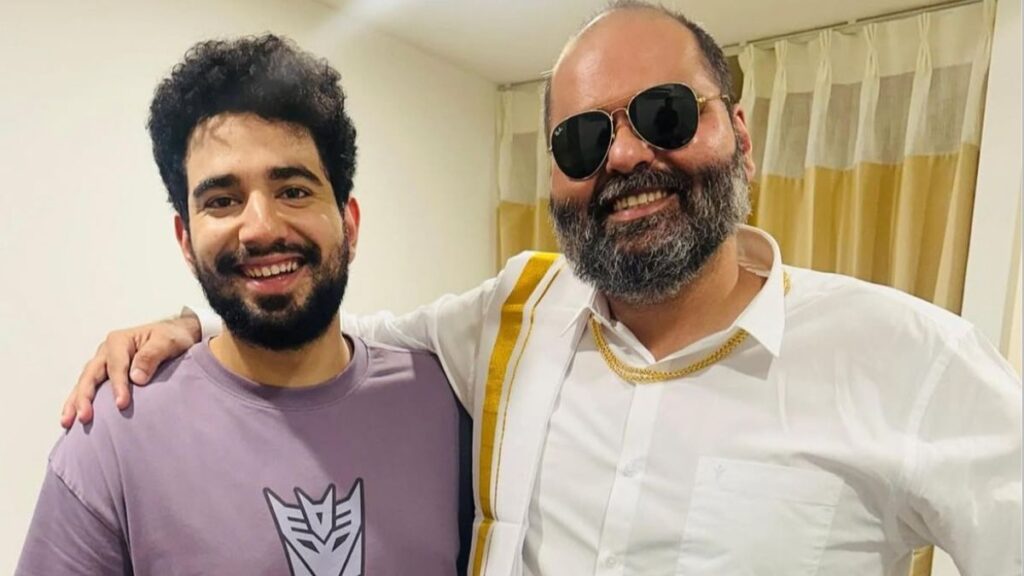
On one side, Samay Raina—fresh from the controversy around his show India’s Got Latent—has spoken about the importance of apologising in situations of power imbalance, especially when content may harm or offend. His own show was taken down in 2025 after backlash and legal scrutiny, with multiple creators facing police action and public outrage.
On the other side stands Kunal Kamra, who, just days later, refused to apologise before a Maharashtra Legislative Council committee. Facing breach of privilege proceedings over remarks targeting Eknath Shinde, Kamra clearly said an apology would be “insincere” and set a “terrible precedent” for artistic freedom.
Same country. Same profession. Completely different responses.
But the difference lies in direction of power.
Raina’s situation involved public backlash, legal scrutiny, and a debate over responsibility in content creation—where apology can be seen as accountability.
Kamra’s case involves state power versus an individual artist—where apology risks becoming compliance under pressure.
This is where India’s democratic dilemma sharpens:
- When should speech be accountable?
- And when should it be defended—no matter the cost?
Because the truth is uncomfortable:
In modern India, apology is no longer just a moral act—it is a political act.
One comedian sees apology as ethical responsibility in unequal social dynamics.
Another sees refusal as resistance against institutional overreach.
Both are responding to power—but in opposite directions.
And that is the real story.